Is Auto Insurance a Good Career Choice in 2026? Stability Meets Tech

Determining if Is Auto Insurance a Good Career Choice in 2026? requires looking at the industry's shift toward high-tech risk management and personalized service. We believe the answer is a resounding yes, provided you value stability and are willing to adapt to an increasingly digitized landscape. This field offers a unique blend of financial security and evolving professional challenges that few other sectors can match in the current economy.
- •The Evolving Landscape of Risk and Opportunity
- •Why Is Auto Insurance a Good Career Choice in 2026?
- ◦The Digital Transformation of Claims and Service
- ◦Stability in an Uncertain Economy
- •Debunking the Myth: Will AI Replace Insurance Professionals?
- •The Rise of the Remote Insurance Professional
- •A Concept Breakdown: Career Paths in 2026
- •Behind the Scenes: How the Industry Actually Functions
- •The "Green" Revolution in Auto Insurance
- •Skills That Will Be Your "Superpowers"
- •Navigating the Entry-Level Barrier
- •The Human Element in a Machine World
- •Frequently Asked Questions
- ◦Do I need a finance degree to work in auto insurance?
- ◦Is it possible to work 100% remotely?
- ◦What is the typical career ladder?
- ◦How do I stand out in an interview?
As researchers tracking labor trends, we’ve noticed that while the "old way" of selling policies is fading, a new era of data-driven consulting is emerging. By exploring the intersection of telematics, remote work flexibility, and the growing demand for specialized coverage, we aim to provide you with a clear roadmap for your professional future.
The Evolving Landscape of Risk and Opportunity
When we analyze the state of the workforce as we head toward 2026, the insurance sector stands out as a surprising bastion of resilience. While other industries face volatile "boom and bust" cycles, the auto insurance world remains anchored by a fundamental truth: as long as people and goods move, risk must be mitigated. But the nature of that risk is changing. We are no longer just looking at simple fender benders; we are looking at complex sensor arrays in electric vehicles, the rise of autonomous driving features, and the shifting legal landscape of liability.
For anyone asking if Is Auto Insurance a Good Career Choice in 2026?, it is vital to understand that the "product" being sold is no longer just a piece of paper. It is a service built on sophisticated data. We’ve observed that the most successful professionals in this space are those who treat insurance as a technology-adjacent field. You aren't just an "insurance person"; you are a risk consultant in a world that is increasingly difficult to predict. This shift has opened doors for diverse skill sets, from data science and software engineering to high-level empathetic communication.
Because the industry is so large, it offers a variety of entry points. For those just starting out, Home and Auto Insurance Careers Entry Level Roles provide a solid foundation in the mechanics of risk. These positions allow you to learn the ropes of policy language and customer interaction before specializing in more complex areas like commercial fleet management or high-net-worth personal lines.
Why Is Auto Insurance a Good Career Choice in 2026?
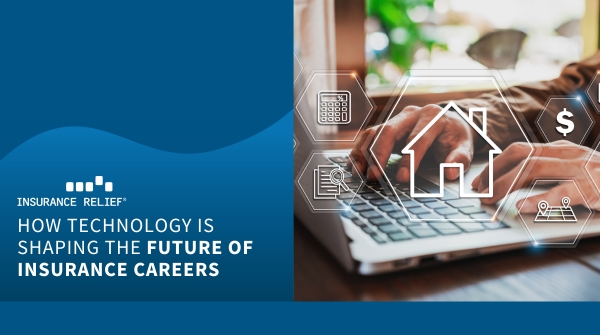
The primary reason we view this career path so favorably is the sheer diversity of roles available. In 2026, the distinction between "office work" and "field work" has blurred. Technology allows a claims adjuster to assess vehicle damage using high-resolution drone footage or AI-assisted photo analysis from their home office. This flexibility has turned what was once a rigid corporate environment into a dynamic, modern workplace.
Another factor is the "Silver Tsunami." We often encounter the reality that a significant portion of the insurance workforce is reaching retirement age. This creates a massive talent vacuum. For younger professionals or career-changers, this means upward mobility is faster than in many other established sectors. Companies are desperate for fresh perspectives—people who understand digital ecosystems and can explain complex concepts to a tech-savvy consumer base.
The industry is increasingly focused on specialized niches. For example, some carriers focus specifically on high-risk drivers or those with unique credit situations. When we look at reviews for safe auto insurance, we see a clear demand for professionals who understand the nuances of non-standard markets. Being able to navigate these specific segments makes you an invaluable asset to an organization.
The Digital Transformation of Claims and Service
One of the most exciting developments we’ve tracked is the democratization of the claims process. In the past, becoming a claims professional meant spending years in a cubicle. Today, Remote Auto Insurance Claims Careers for Beginners have become a standard offering. This shift isn't just about convenience; it’s about efficiency. When a policyholder gets into an accident, they want immediate answers. The professionals who can provide those answers using real-time data and empathetic communication are the ones who will thrive.
But don't be fooled into thinking this is a "low-skill" path. To succeed in claims in 2026, you need to understand the underlying mechanisms of modern vehicle technology. An overlooked detail our team often encounters is the cost of recalibrating Advanced Driver Assistance Systems (ADAS). A simple bumper replacement now involves sensors and software. If you are the person who understands both the mechanical and the financial implications of these repairs, your career trajectory will be steep.
Stability in an Uncertain Economy
While tech startups may offer flashy perks, the insurance industry offers something much rarer: a "moat." The regulatory requirements to start an insurance company are massive, which prevents the kind of overnight disruption that wipes out entire job categories in other fields. This regulatory environment creates a stable floor for your career. Even in a recession, people need to drive to work, and in most jurisdictions, they are legally required to have insurance.
We also see a fascinating correlation between financial literacy and career success in this field. Carriers are increasingly looking at how consumer behavior—including credit management—affects risk. For instance, understanding how the best car insurance good credit models work allows agents and underwriters to better consult their clients. This consultative approach is what separates a "job" from a "career."
Debunking the Myth: Will AI Replace Insurance Professionals?
There is a widespread misconception that artificial intelligence will render the human insurance professional obsolete by 2026. We’ve heard the whispers: "Algorithms will write the policies, and bots will handle the claims." This is the "knowledge gap" we want to address. While AI is indeed changing the industry, it isn't replacing humans; it is liberating them from the mundane.
The "aha" moment comes when you realize that as the "simple" tasks become automated, the "complex" tasks become more valuable. AI can process a standard claim for a cracked windshield in seconds. But AI cannot navigate the emotional complexity of a multi-car accident involving injuries and disputed liability. It cannot sit down with a small business owner and explain how a new fleet of electric delivery vans changes their total risk profile.
In 2026, the human element is the premium. We are seeing a shift where the "clerical" side of insurance is shrinking, but the "advisory" side is exploding. If you can use AI tools to handle the data crunching while you provide the strategic insight, you aren't just safe from automation—you are the one driving it. This is why we argue that the industry is actually becoming more human-centric, not less.
The Rise of the Remote Insurance Professional
If you value work-life balance, the auto insurance industry has undergone a radical transformation. Several major players have fully embraced the distributed workforce model. For instance, United Auto Insurance Careers Work From Home Opportunities have expanded significantly, allowing professionals from all over the country to tap into high-quality roles without the need for a grueling commute.
This isn't just limited to one or two companies. We’ve seen similar trends with the Direct Auto Insurance Careers Work From Home Guide, which highlights how even sales and service roles have moved to a "digital-first" approach. The benefit here is twofold: companies get access to a wider talent pool, and employees get to design a lifestyle that works for them.
When we look at the Auto Owners Insurance Careers Remote Job Openings, it’s clear that even traditionally conservative companies are realizing that productivity isn't tied to a physical desk. This flexibility makes the sector incredibly attractive to parents, caregivers, and those living in rural areas who previously had limited access to corporate career paths.
A Concept Breakdown: Career Paths in 2026
To help you visualize where you might fit into this ecosystem, we’ve put together a summary of the core career paths currently dominating the industry.
| Role Category | Primary Focus | Remote Potential | Key Skill for 2026 |
|---|---|---|---|
| Digital Underwriting | Risk assessment using Big Data/AI | High | Data Literacy |
| Complex Claims | High-value/Legal dispute resolution | Moderate | Negotiation & Empathy |
| Risk Consultant | Personalized policy architecture | High | Strategic Communication |
| Insurtech Developer | Building the platforms of the future | Very High | Software Engineering |
| Telematics Analyst | Interpreting driving behavior data | High | Statistical Modeling |
Behind the Scenes: How the Industry Actually Functions
To truly understand why this is a good career choice, you have to look at the "engine room" of an insurance company. Most people see the front-end—the commercials and the apps. But the real magic happens in the "Combined Ratio." This is a measure of an insurer's profitability. If a company spends 95 cents on claims and expenses for every dollar it collects in premiums, its combined ratio is 95%.
Why does this matter to your career? Because in 2026, companies are obsessively focused on lowering this ratio through innovation. They aren't just looking for people to "process" work; they are looking for people who can find "leakage"—areas where money is being wasted or risks are being mispriced. If you can demonstrate an understanding of how your role contributes to the company's bottom line by improving the combined ratio, you become "un-fireable."
We also see a fascinating historical quirk playing out. Insurance used to be a very local business. You knew your local agent, and they knew your family. Then, it became a massive, impersonal commodity. Now, in 2026, we are seeing a "Return to Localism," but in a digital way. Through telematics and personalized apps, companies are trying to recreate that "I know you" feeling. This requires a new kind of professional: someone who is comfortable with data but can speak with the warmth of a neighbor.
The "Green" Revolution in Auto Insurance
We cannot talk about 2026 without mentioning the impact of climate change and the shift to Electric Vehicles (EVs). This is perhaps the biggest "Information Gain" for someone looking at this career. EVs are fundamentally different from Internal Combustion Engine (ICE) vehicles. They have fewer moving parts but are significantly more expensive to repair when the battery or sensors are damaged.
This has created a whole new sub-industry within auto insurance. We need adjusters who understand lithium-ion battery safety and underwriters who can price the risk of a vehicle that can accelerate from 0 to 60 in two seconds. If you specialize in "Green Risk," you are positioning yourself at the forefront of the most significant automotive shift in a century.
"Usage-Based Insurance" (UBI) is now the gold standard. Instead of paying a flat rate, drivers pay based on how, where, and when they drive. Managing these UBI programs requires a blend of customer service and technical troubleshooting. It’s a perfect example of how the industry is evolving away from static "policies" and toward dynamic "partnerships" with drivers.
Skills That Will Be Your "Superpowers"
If you decide to pursue this path, what should you focus on? Based on our observations, three skills stand out as the "superpowers" of 2026:
- Data Storytelling: It’s one thing to see a spreadsheet of risk factors. It’s another thing entirely to be able to explain to a client why their premium changed based on their "braking patterns" or "commute times." The ability to turn cold data into a warm, understandable story is the most valuable skill in the market.
- Adaptability (The "Beta" Mindset): The software you use today will be updated tomorrow. The regulations in your state might change next month. We’ve found that the professionals who thrive are those who don't get frustrated by change but rather treat every update as a new tool in their kit.
- Cross-Functional Collaboration: In 2026, claims don't happen in a vacuum. They involve legal, tech, and customer experience teams. If you can speak the "languages" of these different departments, you will quickly move into leadership roles.
Navigating the Entry-Level Barrier
A common hurdle we see is the "experience required" trap. How do you get that first job? The secret is that many companies are now prioritizing aptitude over experience. They are looking for people with backgrounds in retail, hospitality, or teaching—fields where you’ve already mastered the art of dealing with people in stressful situations.
If you are looking for a way in, don't just look at the giant national carriers. Look at the regional players and the "Insurtech" startups. These companies are often more willing to train someone from the ground up. They value the "outsider" perspective because it helps them challenge the "we've always done it this way" mentality that can plague larger organizations.
The Human Element in a Machine World
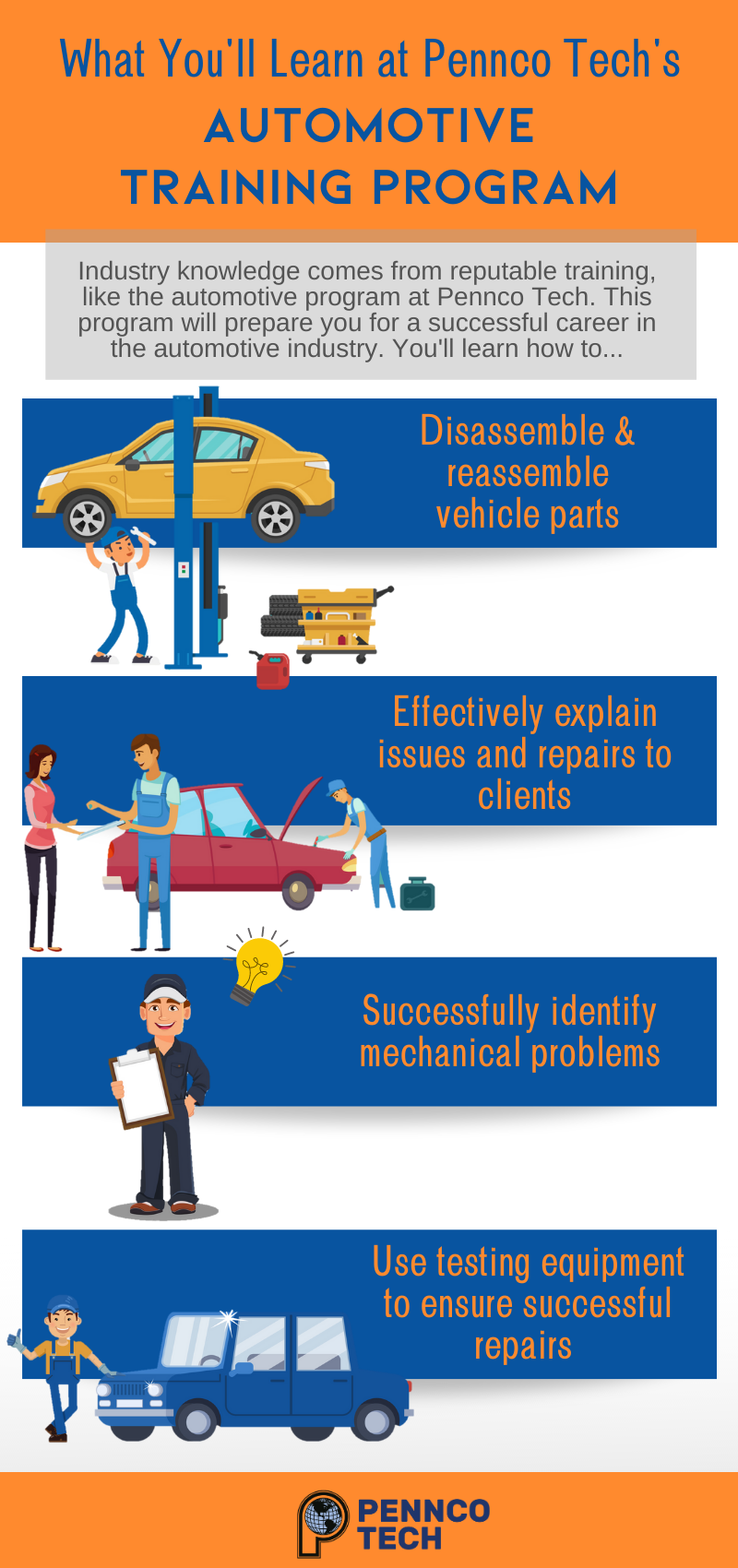
As we look toward the future, it’s easy to get caught up in the talk of drones, AI, and telematics. But at its core, auto insurance is about peace of mind. It’s about being the person someone calls on the worst day of their year. When someone’s car is totaled or they’ve been in an accident, they don't want a perfectly optimized algorithm. They want a human being who can say, "I've got this. We’re going to get you back on the road."
This emotional weight is why we believe auto insurance is more than just a "good" career choice—it’s a meaningful one. You are a protector of people's livelihoods. In an increasingly automated world, the value of that protection only goes up.
Frequently Asked Questions
Do I need a finance degree to work in auto insurance?
No. While a degree in finance or math can help for actuarial or underwriting roles, many successful professionals come from backgrounds in communications, criminal justice, or even the liberal arts. The industry values diverse perspectives and strong communication skills above all else.
Is it possible to work 100% remotely?
Yes, especially in 2026. Many roles in claims, sales, and underwriting are now fully remote. However, some field adjuster roles still require local travel to inspect vehicles, though even this is becoming less common with the rise of digital "virtual" inspections.
What is the typical career ladder?
Most people start in customer service or junior claims roles. From there, you can specialize in underwriting (risk assessment), move into management, or pivot into the "tech" side of insurance, such as product development or data analysis.
How do I stand out in an interview?
Show that you understand the
currentTrends. Mentioning telematics, the impact of EVs, or the importance of the customer experience in a digital world will immediately set you apart from candidates who are still thinking about insurance in its 20th-century form.
The path forward in the auto insurance industry is not a straight line, but rather a series of interconnected opportunities. It is a field that rewards curiosity, rewards those who are willing to learn a complex system, and, most importantly, rewards those who never lose sight of the human being behind the policy number. As we look at the horizon of 2026, the question isn't just whether the industry is a good choice, but whether you are ready to be part of its most transformative era yet.


Comments
Post a Comment